

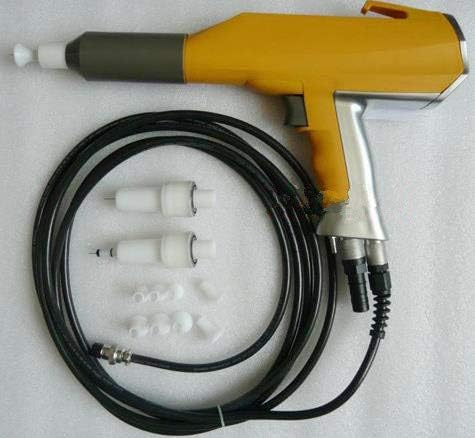
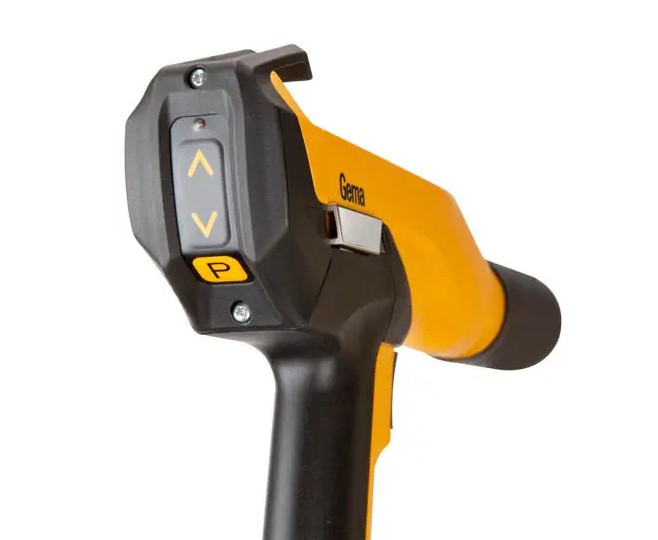

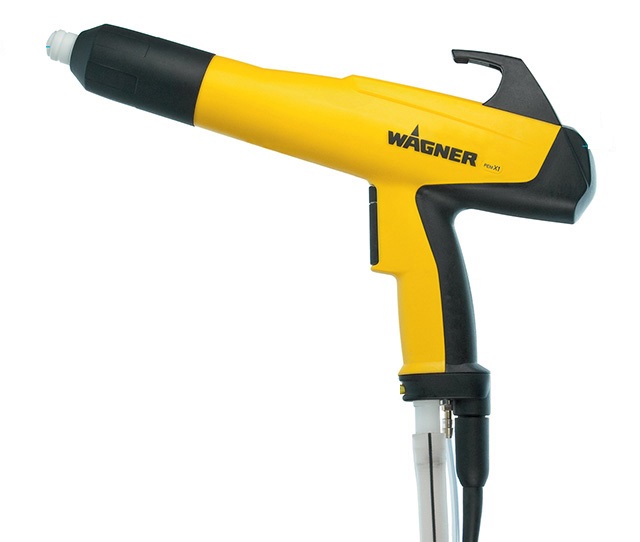
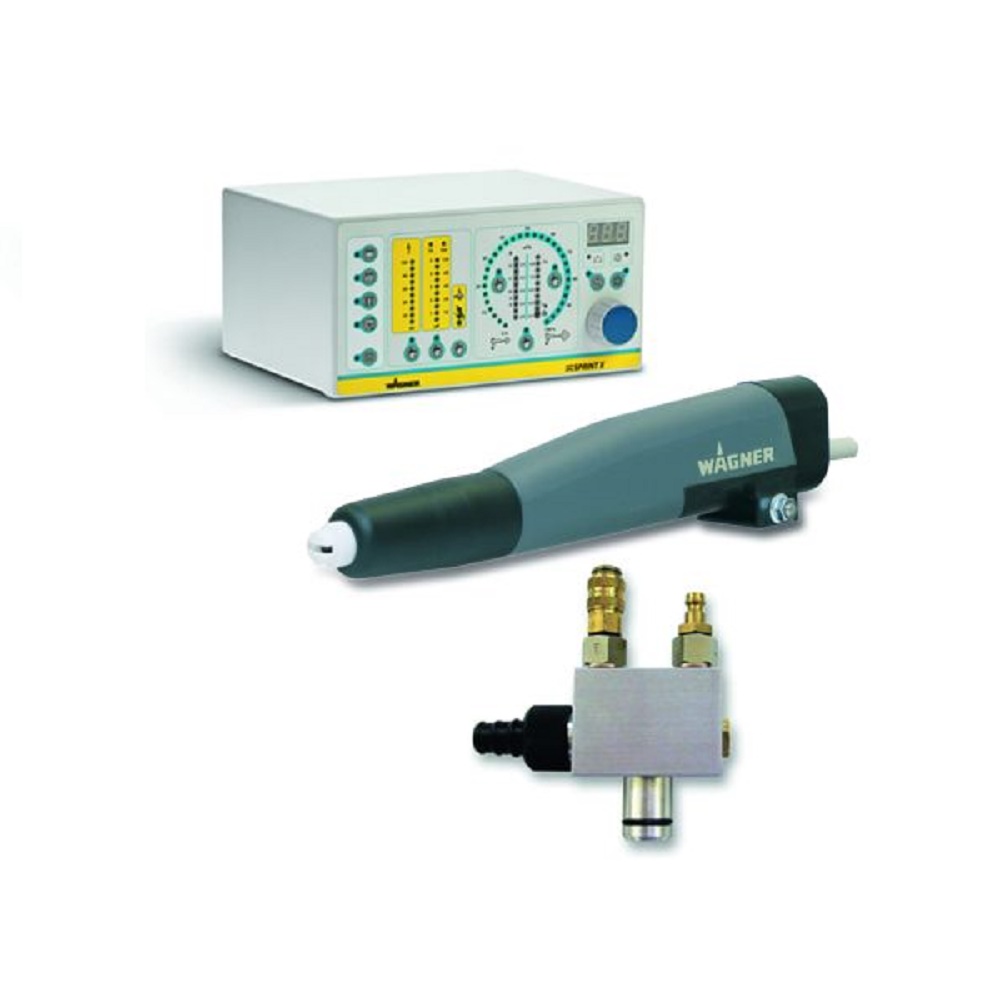
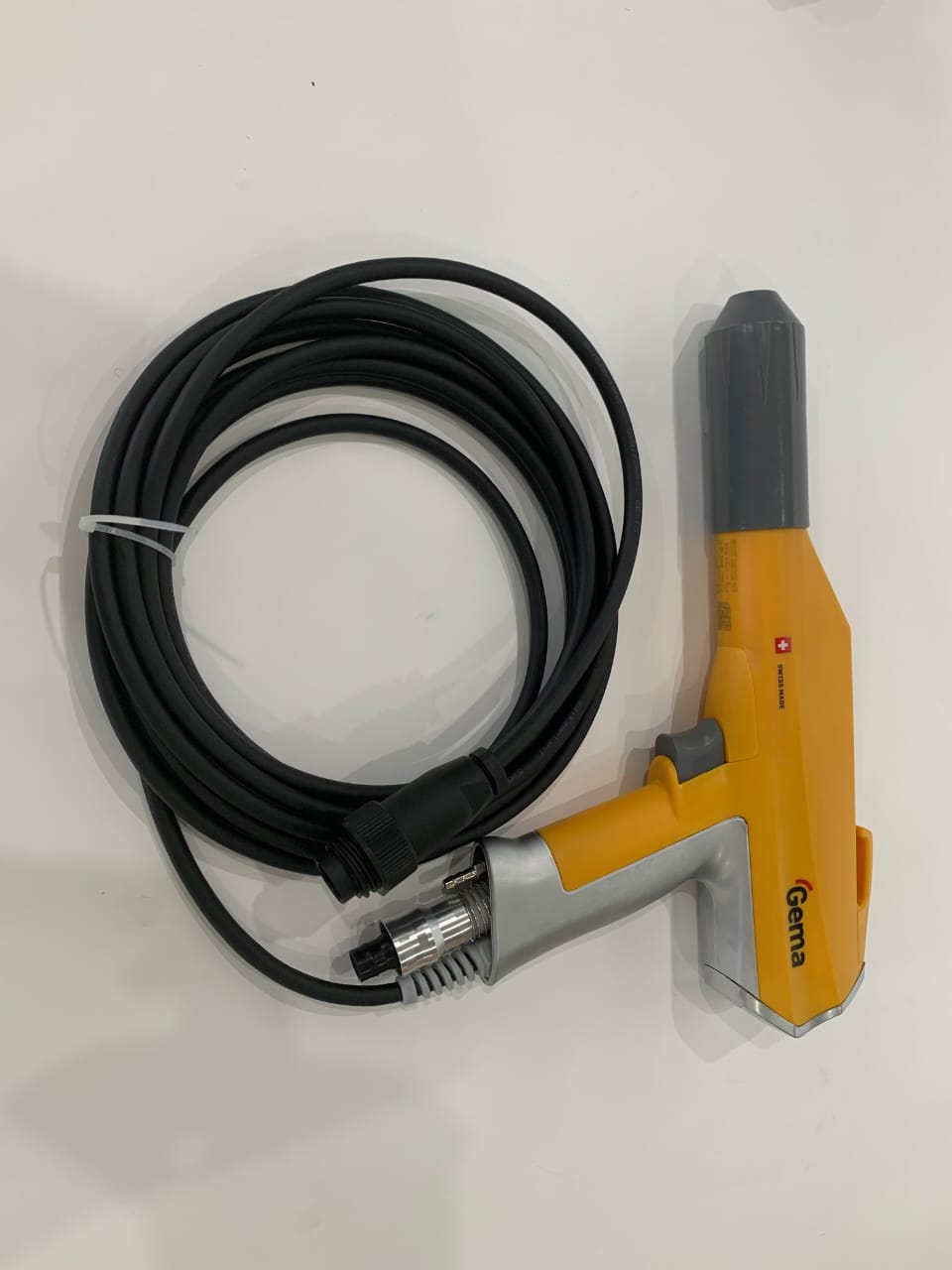
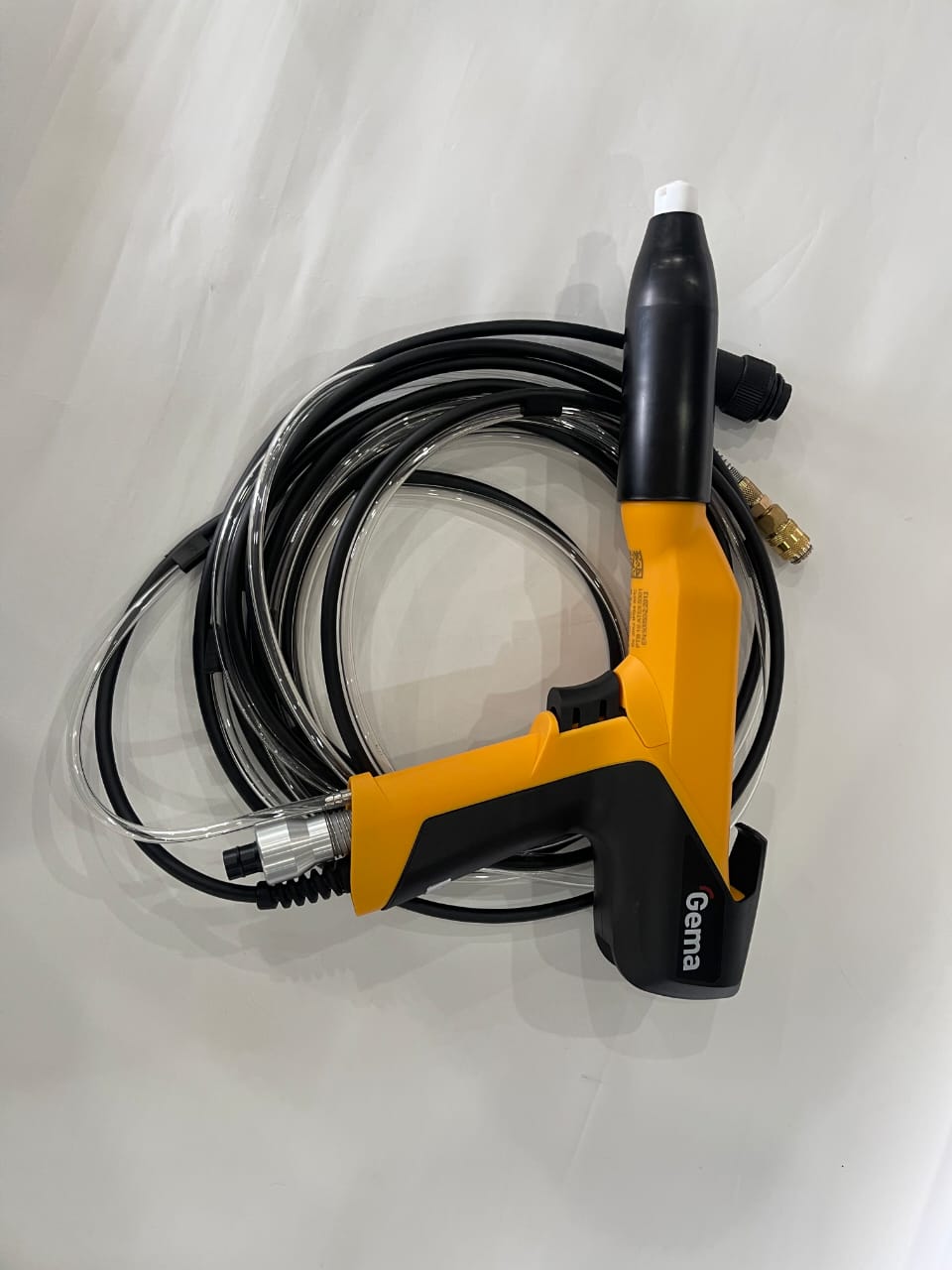
Powder coating is a surface finishing technique widely used in industry to apply protective and decorative layers to metals (and other conductive materials). Powder coating guns are key equipment in this process, as they allow for the uniform application of electrostatic powder before curing in an oven.
Types of Powder Coating Guns
a) By Application Technology
- Electrostatic (Corona or Tribo):
- Corona: Uses an electrode that ionizes the air, charging the powder with high voltage (30–100 kV). Ideal for complex parts.
- Tribo: Charges the powder by friction (without high voltage). Suitable for parts with recesses or where the “Faraday cage” effect is a problem.
- Non-electrostatic: Less common, they use fluidization or air to apply the powder (no electrical charge).
b) By Feed System
- Gravity: The powder falls from an upper tank.
- Suction: The powder is drawn in from an external container.
- Pressure: The powder is transported by compressed air from a pressurized tank (greater efficiency for large production runs).
Main Components
- Nozzle: Determines the spray pattern (width/shape).
- Electrode (in Corona systems): Generates the electrostatic charge.
- Powder Tank: Where the material is stored before application.
- Control System: Adjusts powder flow, air pressure, and voltage.
Advantages of Powder Coating vs. Liquid Paint
- Eco-Friendly: No toxic solvents, less waste.
- Efficiency: Up to 95% of the powder adheres to the part (the excess can be reused).
- Durability: Greater resistance to impact, corrosion, and UV.
- Finishes: Wide range of colors, textures (rough, matte, glossy), and effects (metallic, holographic).
Industrial Applications
- Automotive: Tires, chassis, components.
- Furniture: Metal structures, street furniture.
- Home Appliances: Washing machines, refrigerators.
- Architecture: Windows, doors, fences.
Trends and Advances
- Smart Guns: With sensors to adjust parameters in real time.
- Low-cure powders: Reduce energy consumption (baking at a lower temperature).
- Innovative materials: Antibacterial, self-healing, or conductive powders.
End of report
Do you need to delve deeper into a specific aspect (e.g., maintenance, brand comparison, operating parameters)?


